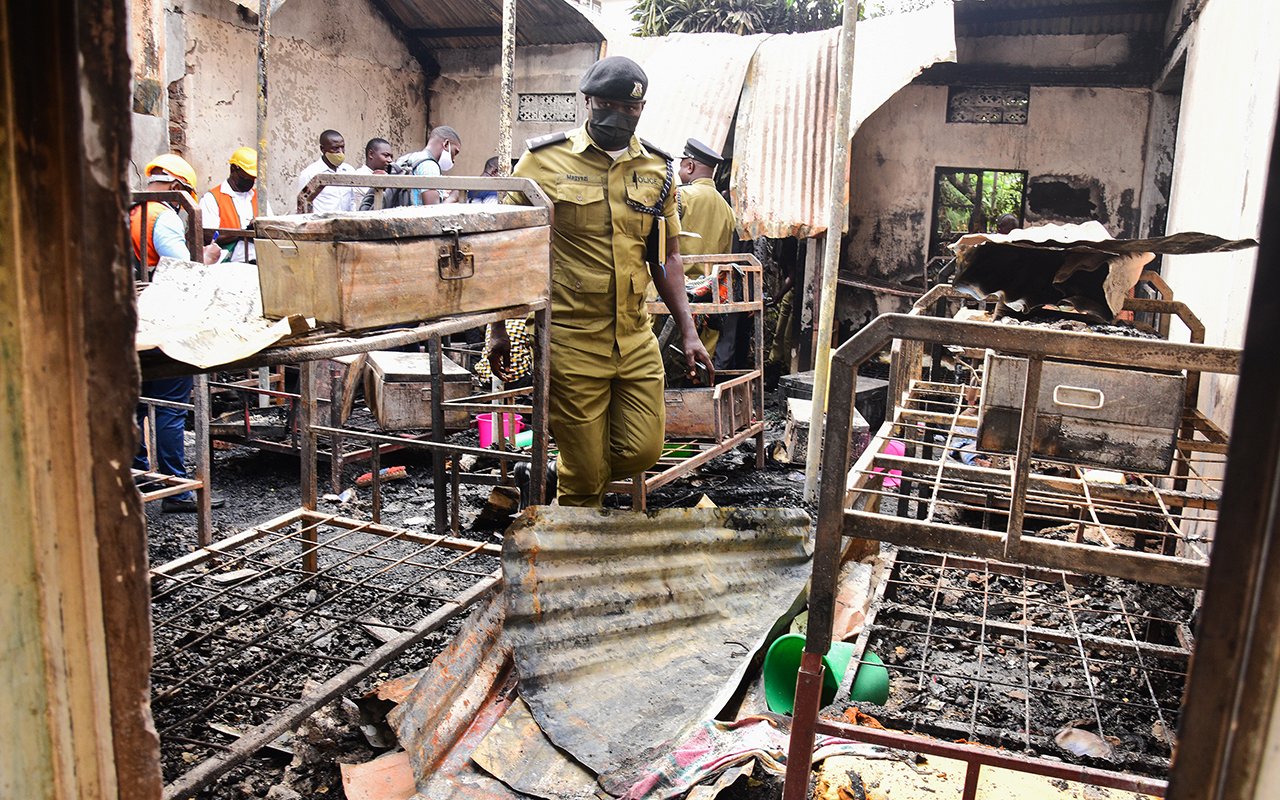
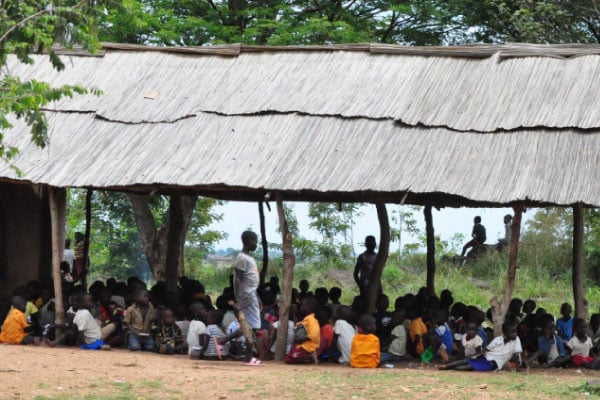
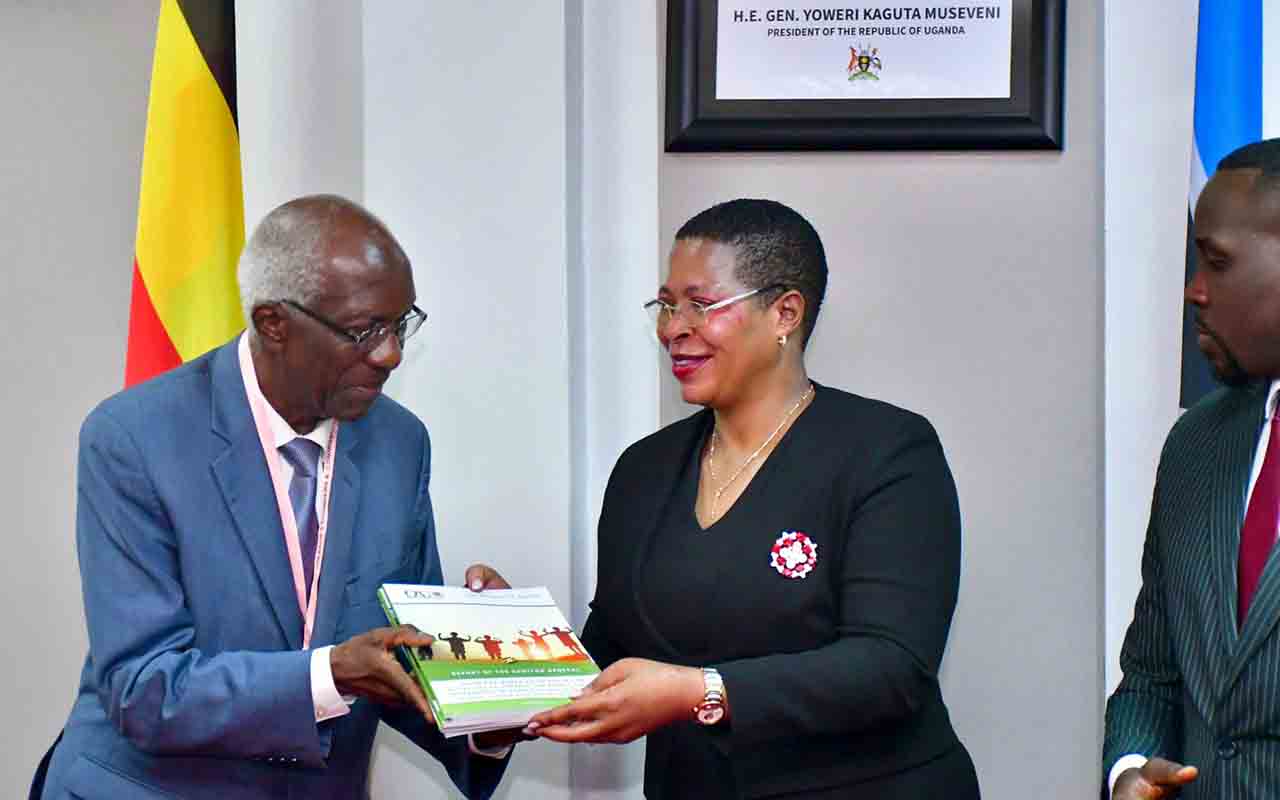
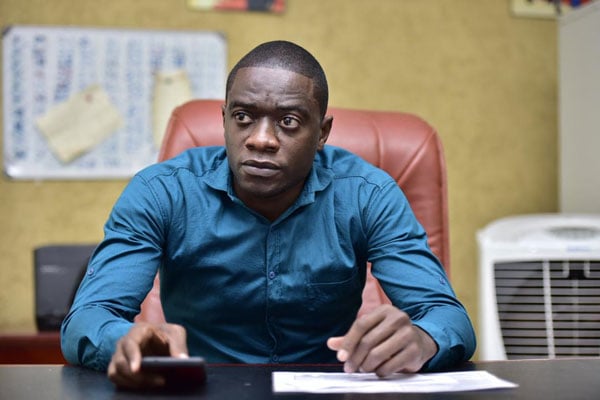
Govt probe reveals causes of school fires The National Building Review Board cited negligence among students as one of the causes of the fires
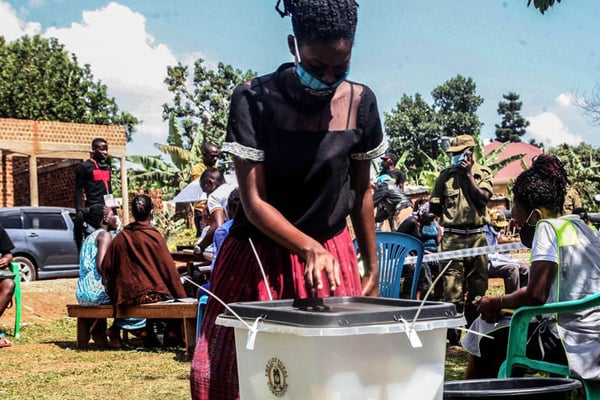
PRIME 2026 polls: Ugandans to vote in 38 countries Those in the diaspora, who want to vote, will have to first be registered by the National Identification and Registration Authority (Nira)
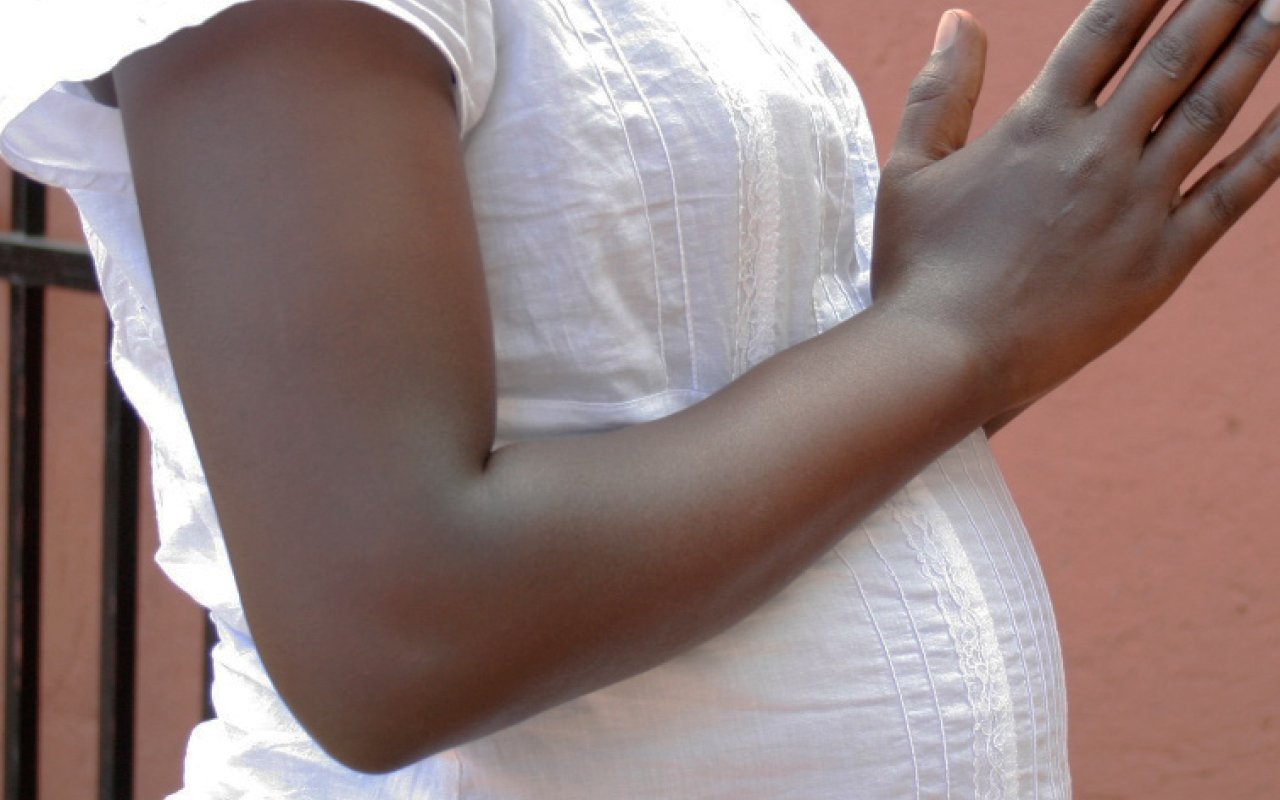
Parent sues school over expelling pregnant pupil The father of the victim claims the expulsion of his daughter from school had an adverse effect on her mental health
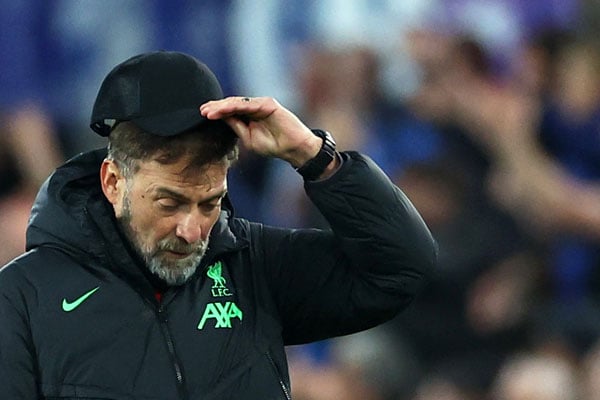
Klopp apologises to Liverpool supporters after huge blow to title hopes "(Leaders Arsenal and Manchester City) must have a very bad moment," Klopp, who looked completely shattered, said when asked about his team's chances
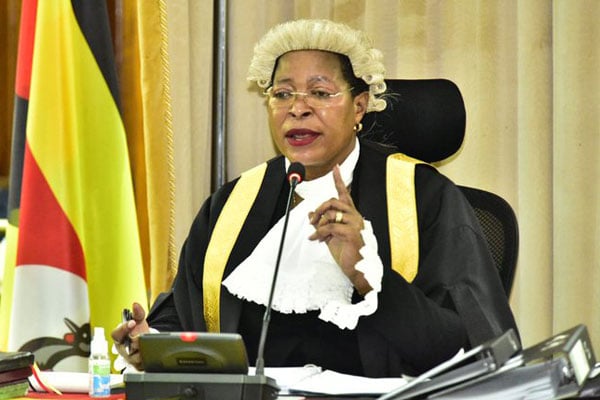
'Nobody was bribed to save govt agencies from merger' Speaker Anita Among accused some media outlets and social media users of spreading hate rumors against Parliament
PRIME NRM govt can achieve a lot more success by doing a lot less, better Merely not giving out our money to ‘investors’ would be a good start
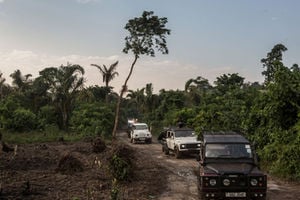
PRIME Land Rover: Off-roader celebrates 76th anniversary Launched in 1948, customers were never in short supply of their creation of the Land Rover
Beyond new tax measures, govt has also proposed some exemptions The debate on who will benefit from the proposed tax exemptions has been lost in new tax measures, EFRIS and the URA talk that has been trending for weeks now across the country
PRIME ‘Music, dance, is how we keep our marriage lively’ They agreed to start dating but both admit that their first date was dull. Because they had not interacted much before, they did not know a lot about each other and found it hard to carry on a...
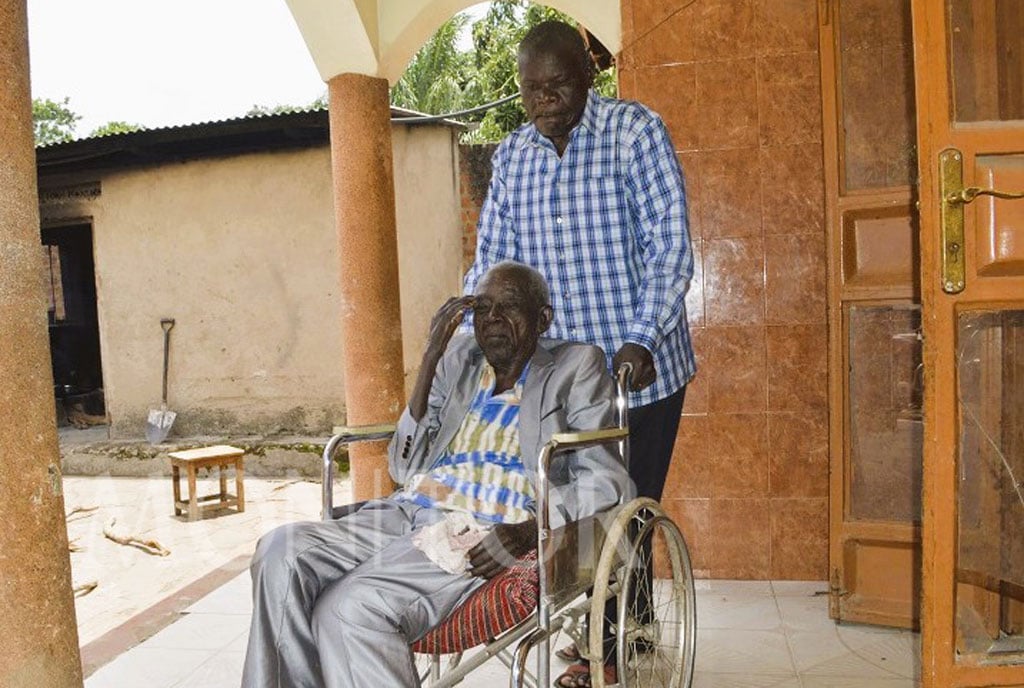
PRIME 106-year-old man chases pension for 28 years in vain After retiring on March 31, 1996, as a primary teacher, Dacio Oridria says he has chased for his pension in vain
Klopp apologises to Liverpool supporters after huge blow to title hopes "(Leaders Arsenal and Manchester City) must have a very bad moment," Klopp, who looked completely shattered, said when asked about his team's chances