Special Reports
Kwoyelo amnesty leaves justice at crossroads
Kwoyelo
Posted Saturday, November 26 2011 at 00:00
In Summary
Did court look beyond Kwoyelo? Granting of amnesty for alleged rebel commander may jeopardise other cases, according to legal experts Saturday Monitor talked to, who say the decision of the Constitutional Court could influence the course of transitional justice in Uganda for years to come.
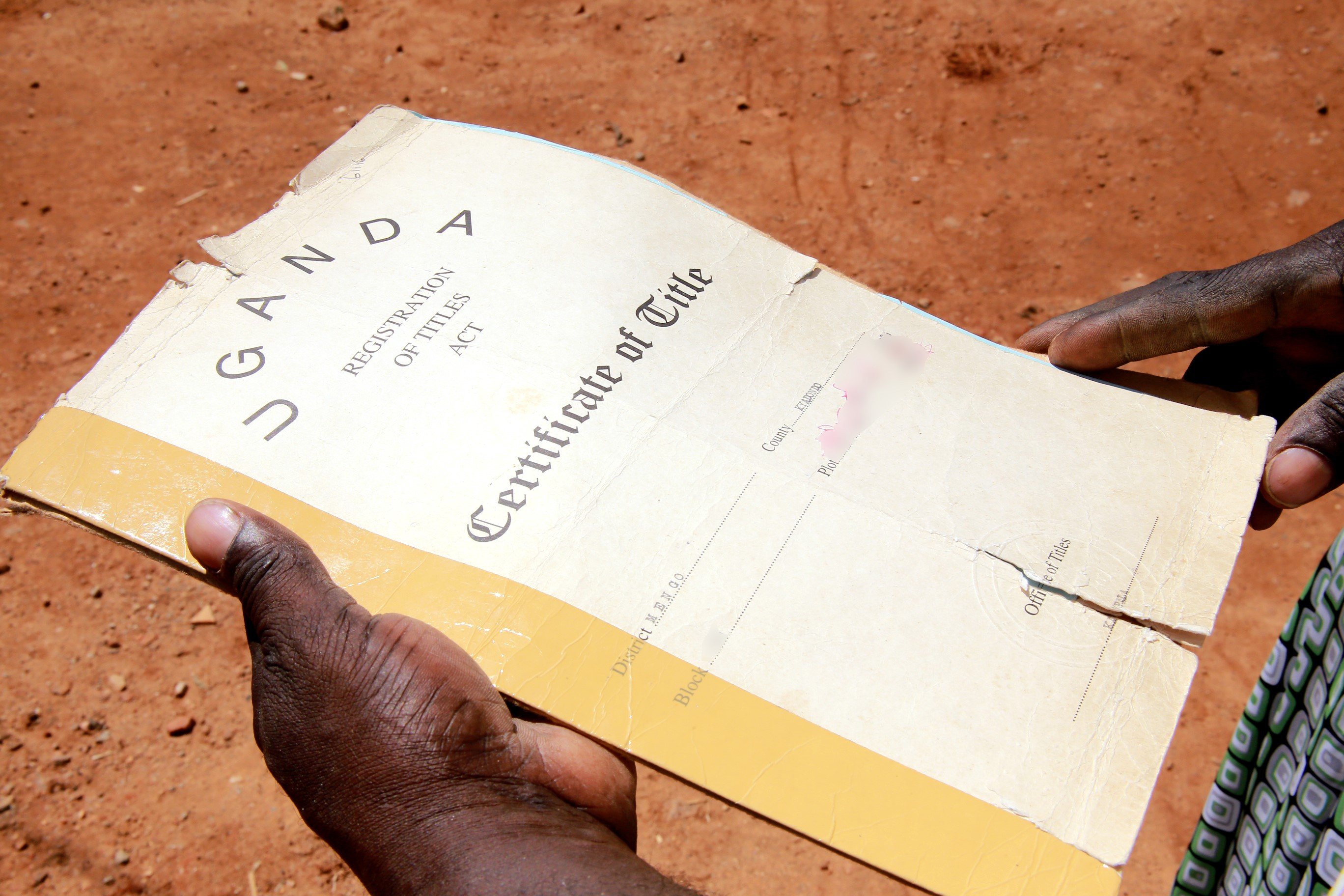
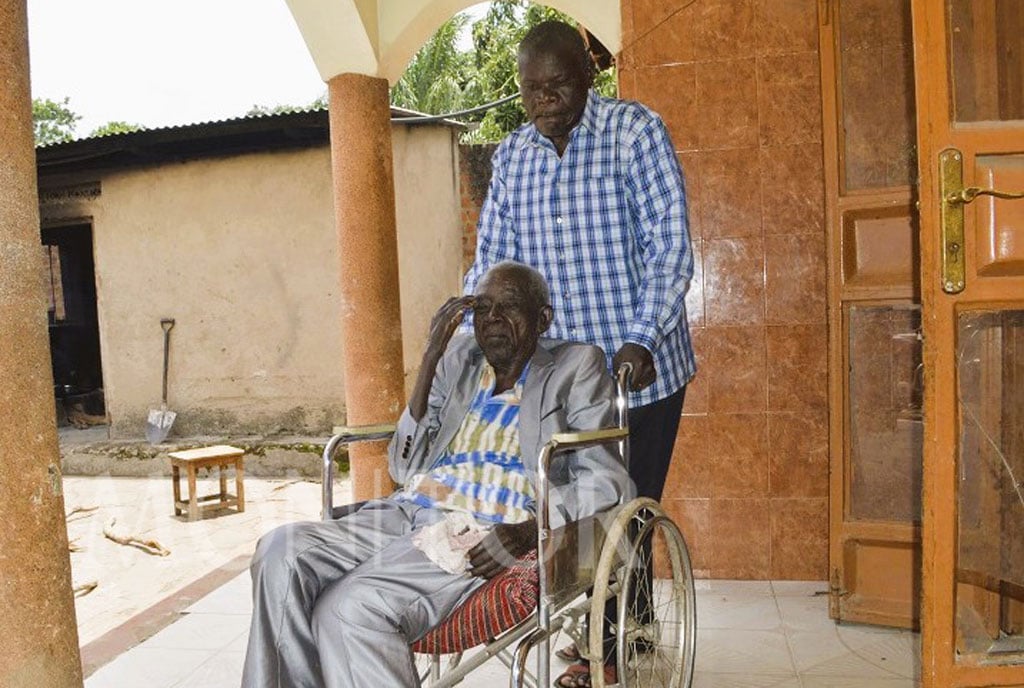
As his uncle, I will marry for him a wife and pay compensation to bring all his children home,” said Donato Obayo. Obayo had hoped that his nephew would be freed last week after the International War Crimes Division of the High Court ordered the Director of Public Prosecutions and Amnesty Commission to comply with Amnesty Act and grant Thomas Kwoyelo amnesty. But Kwoyelo was instead sent back to prison.
For Mr Obayo, it will be a while before he can fulfill his wish of marrying a wife for his jailed nephew—if ever he gets released from prison. “The purpose of holding Kwoyelo was for him to attend trials as and when he is commanded by court. Now that his trial has ceased, we don’t find any reasons for his detention. It has no legal basis,” said his lawyer, John Francis Onyango.
Four kilometres from Pabbo Trading Centre as one takes the route that leads to Adjumani is Parabanga village. It is here that Kwoyelo says he was abducted by LRA rebels when aged 13 as he went to the nearby Pabbo Primary School. That was more than two decades ago, nearly the same period of time it took for the conflict in northern Uganda to end.
Kwoyelo’s lawyers challenged his trial, arguing that their client had renounced rebellion and had, therefore, been discriminated against when he was denied amnesty. Kwoyelo was facing 12 charges of war crimes under the Geneva Convention and a further 53 charges, including murder, under the domestic code. His trial at the International Crimes Division of the High Court ended on September 22 when the Constitutional Court ruled that he qualified for amnesty. This decision was upheld by the Court of Appeal.
How his release augurs for future justice
However, legal experts and those who have followed the two-decade northern Uganda war say the decision of the Constitutional Court will have huge repercussions beyond the case of Kwoyelo, and could influence transitional justice in Uganda for years to come.
The Attorney General has appealed to the Supreme Court to overturn the decision.
The Director of Public Prosecutions, Mr Richard Butera, argues that because Kwoyelo stands accused of war crimes under international law, he cannot be reprieved under the Amnesty Act. But if the Supreme Court upholds the ruling of the Constitutional Court, it could spell the end of prosecutions for members of the LRA who are suspected of war crimes in the northern region.
“At the moment, the work of the newly-established International Crimes Division of the High Court has no meaning for possible rebels of the LRA,” says Ms Sabine Klein, a doctoral research student in international law, who has spent the last six months following the Kwoyelo case. “The decision of the Constitutional Court was quite clear that they interpret the amnesty rule at the current moment as constitutional and that it applies to any rebel who seeks its application.”
But Judiciary spokesperson Erias Kisawuzi denies that without Kwoyelo ICD has no future. He says: “The International War Crimes Division is not a Kwoyelo court. It has a wider jurisdiction. If Kwoyelo’s case ends it’s not the end for ICD.”
Amnesty spokesperson Moses Draku said the commission is waiting for clearance from the office of the Director of Public Prosecution before it can begin the process of granting Kwoyelo an Amnesty Certificate. The Constitutional Court’s decision that Kwoyelo qualifies to benefit from amnesty has been criticised by rights organisations.
“To pardon people who have actually been responsible for these crimes is to encourage impunity,” says Mr Godfrey Odongo, a Kampala-based Amnesty International researcher.
But Mr Kisawuzi argued that the traditional peace mechanism should be given a chance. He says: “In Rwanda there are people who killed many people but are now leaving peacefully in the same country. Do you want war in northern Uganda?”
He says Uganda is applying what he termed a “mixed grill, cocktail of laws” that are both domestic and international and that this should be understood within the context of the history of the conflict in northern Uganda and the Juba Peace talks.
Legal repercussions
The legal inconsistencies thrown up by the Kwoyelo case have also prompted questions over whether the senior LRA leaders wanted by the ICC could also be granted amnesty.
“If the current amnesty law remains in place, I don’t see how the Amnesty Commission, and indeed the DPP can deny Joseph Kony amnesty, especially if the Supreme Court upholds the Constitutional Court ruling. Indeed ICD’s dilemma would be manifold should Joseph suddenly show up and applies for amnesty,” says Mr Moses Okello of the Refugee Law Project.
Legal experts say Kony, unlike Kwoyelo, has been indicted by the ICC and, as signatory to the Rome Convention, Uganda is under legal obligation to hand him over to The Hague.
“Either you are with ICC in which case you should not have these kinds of amnesties or you are not with the ICC. But this is a little bit of a contradiction,” says Prof. Kai Ambos, an expert in international law at Göttingen University in Germany. Mr Kisawuzi agrees that there are some contradictions between international and domestic law.


RSS