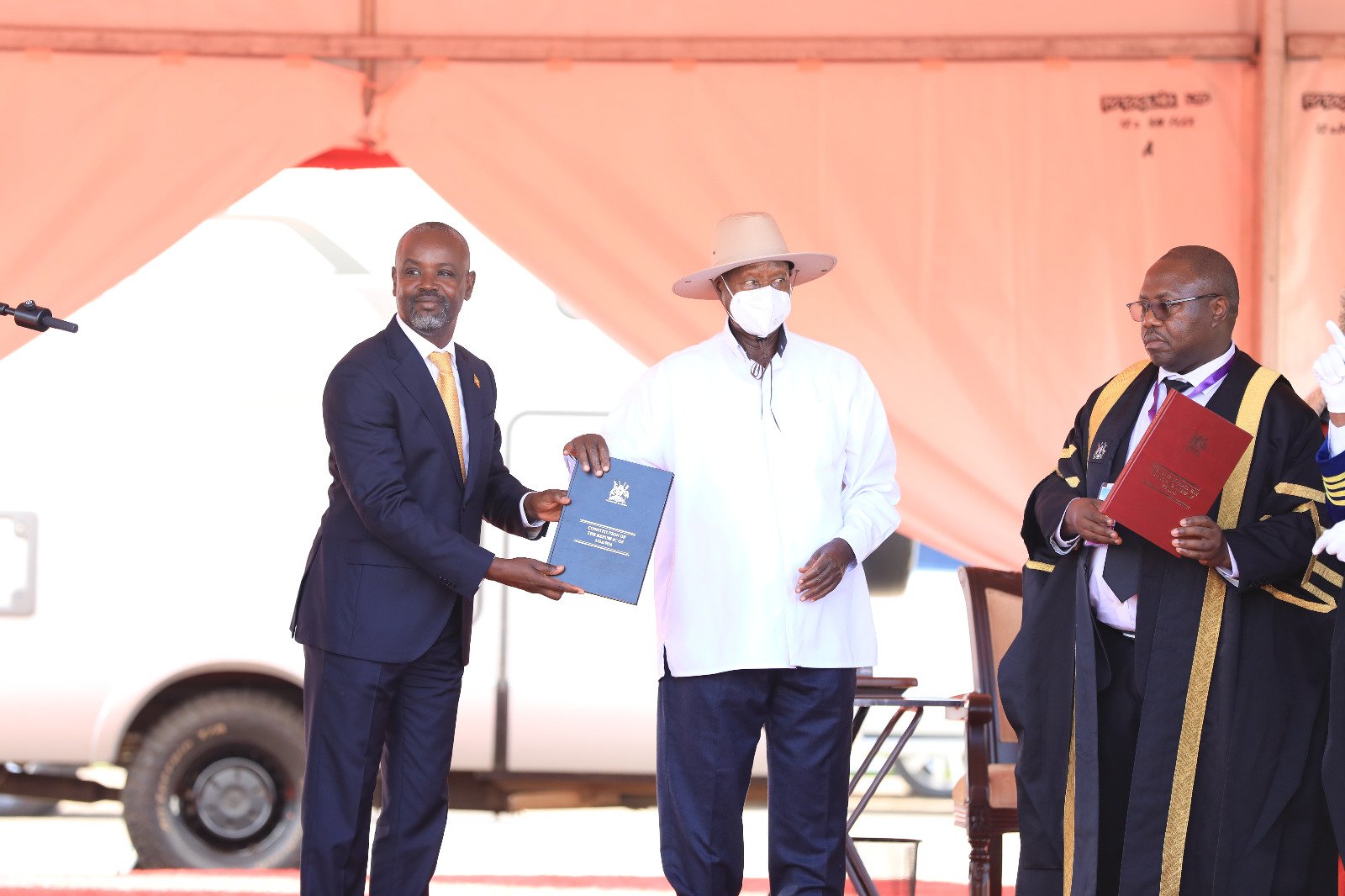
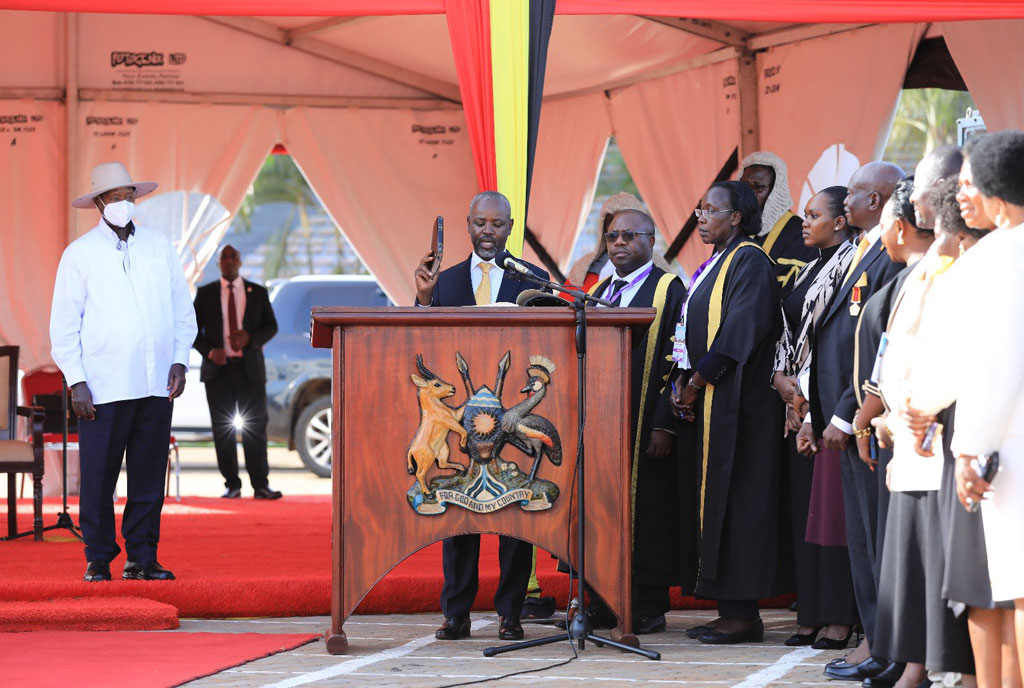
Kyabazinga's coronation site on Mpumuire Hill, which faces encroachment. PHOTO/DENIS EDEMA
Beyond the well-known routes to the Source of the Nile and the popular adventure attractions of Itanda and Busowoko falls, Busoga is home to cultural and historical sites that remain largely overlooked.
These “silent” heritage sites from Mpumuire Hill, the coronation ground of the Kyabazinga, to clan shrines and memorial grounds present an opportunity to diversify tourism if protected and integrated into mainstream tourism circuits.
At the centre of the discussion is Mpumuire Hill, which serves as the modern coronation ground for the Kyabazinga and carries links to Uganda’s wider pre-colonial and colonial history.
Despite its importance, the site remains largely invisible to visitors due to poor access roads, limited signage, lack of visitor facilities and growing encroachment.
“Stakeholders should come on board to preserve the hill so that future generations can learn about the history of Mpumuire Hill,” says Mr Grace Mark Kiwemba, the Jinja District tourism officer.
Oral accounts claim that Omukama Kabalega of Bunyoro, after years of exile in the Seychelles, reportedly died near Mpumuire Hill in 1923 while returning to his kingdom.
Tourism and cultural experts say such rich histories of resistance, exile and restoration could help position Busoga as a destination for heritage tourism.
“Each hill in Busoga is a living archive,” says Mr Abraham Kitaulwa, the chairperson of the Uganda Community Museums Association and proprietor of Kigulu Museum. Mr Kitaulwa says the landscapes are repositories of rituals, stories and ancestral memory that shape the cultural identity of the Busoga Sub-region.
Concerns
He warns that unchecked development, modernisation and neglect threaten to erase traditional knowledge and important heritage landmarks if deliberate conservation efforts are not undertaken.
Mr Kitaulwa further emphasises the need for coordinated investment in infrastructure, preservation and community engagement, with cultural leaders, local governments and tourism authorities working together to integrate heritage sites into broader tourism strategies.
Busoga already hosts several attractions that demonstrate the region’s tourism potential. The Source of the Nile remains one of Uganda’s leading tourist sites, while the New Jinja Bridge has emerged as a modern landmark.
Adventure tourism at Itanda and Busowoko falls, including rafting, kayaking, tubing and quad biking continues to attract local and international visitors. The region is also home to cultural and commemorative sites such as Igenge Palace, the John Speke Monument and the World War Memorial. Other attractions, including Kagulu Hill and the Bishop Hannington Shrine, continue to draw visitors beyond Jinja City. However, many culturally significant sites remain undocumented, unmarked and absent from tourism promotion campaigns.
“I witnessed the 2014 coronation of Kyabazinga William Nadiope Gabula IV when he was lowered to sit on a stool under a tree on the hill,” recalls Mr Kenneth Kibuuka, a resident of Mafubira.
“That moment showed the hill’s spiritual and historical value, but without protection it could eventually be swallowed by farms or housing,” he adds.
Officials say simple interventions could unlock the tourism potential of such sites. Ms Hellen Namutamba, the Busoga Kingdom minister for Tourism and Heritage, says government and cultural institutions have already started investing in tourism infrastructure to improve access to key heritage sites in the sub-region.
“We secured Shs2 billion for the construction of access steps at Kagulu Hill to improve accessibility for visitors and boost tourism activities at the site,” Ms Namutamba says.
She adds that President Museveni pledged to improve the Kamuli–Kagulu Hill road to ease transportation for tourists. “The state of the road becomes difficult during rainy seasons, which affects movement of visitors,” she says.
Government funding
Ms Namutamba further adds that the government injected Shs7 billion into the upgrading of the Bifulubi-Kyando road leading to the Bishop Hannington Shrine in Mayuge District.
“We are also seeing accommodation facilities coming up around these tourism sites, including the Century Hannington Resort Cottages in Mayuge District, which will support the growing number of visitors,” she adds.
Despite these efforts, major gaps remain. These include inadequate site management plans, absence of a coordinated inventory of heritage assets, weak interpretation systems such as guides and signage, insecure land tenure around cultural sites and limited conservation funding.
Local leaders are now calling for partnerships involving Busoga and Bunyoro kingdoms, district authorities, the Uganda Tourism Board, donors and community museums to map, preserve and market heritage assets.
Mr Edward Munaaba, the minister for general duties in the Office of the Busoga Kingdom Prime Minister, says cultural tourism can play a wider socio-economic role.
“Heritage sites are symbols of identity, education and income generation,” Mr Munaaba says.
“When integrated with environmental restoration and community participation, they can create sustainable livelihoods while preserving tradition,” he adds.
Stakeholders propose a revitalisation strategy that includes a cultural heritage inventory, legal protection for key sites, improved visitor infrastructure, training for local tour guides, establishment of community-run interpretive centres and targeted marketing campaigns.
Key heritage sites
- Source of the Nile
- Kagulu Hill
- Bishop Hannington Shrine
- Igenge Palace
- Itanda Falls
- John Speke Monument
- Mpumuire Hill