Women picking up the broken pieces after LRA
What you need to know:
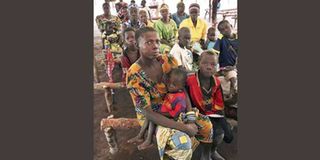
We all say that we hate wars, but wars rage all over the world. Wars get declared every other day by the name of ending others. The war in Northern Ugandan was experienced for over two decades leading to the displacement of 1.6 million people. Civilians especially women and girls were trapped in the middle of the violent struggle between the Lord’s Resistance Army (LRA) rebels and the government. Writes Jacinta Odongo
Women and girls in societies with fundamental inequalities are the intended and unintended causalities of war. Those caught in the military conflict faced sexual violence and exploitation, torture, forced recruitment, rape, mass rape, and trafficking.
The Northern Uganda conflict has had far reaching consequences on the political, social and economic contexts for women. Almost everything has been lost. The justice system established has been inefficeint. Disputes over land ownership have been exacerbated by the loss of community memory caused by the prolonged displacement of communities in camps and the death of elders with information on land ownership.
As a result, widows, single women and female heads of households with very little protection or power within the traditional structures are routinely barred from accessing land by male relatives and neighbors. This makes them highly vulnerable to violence and abuse, as land is a primary means to livelihood in the North.
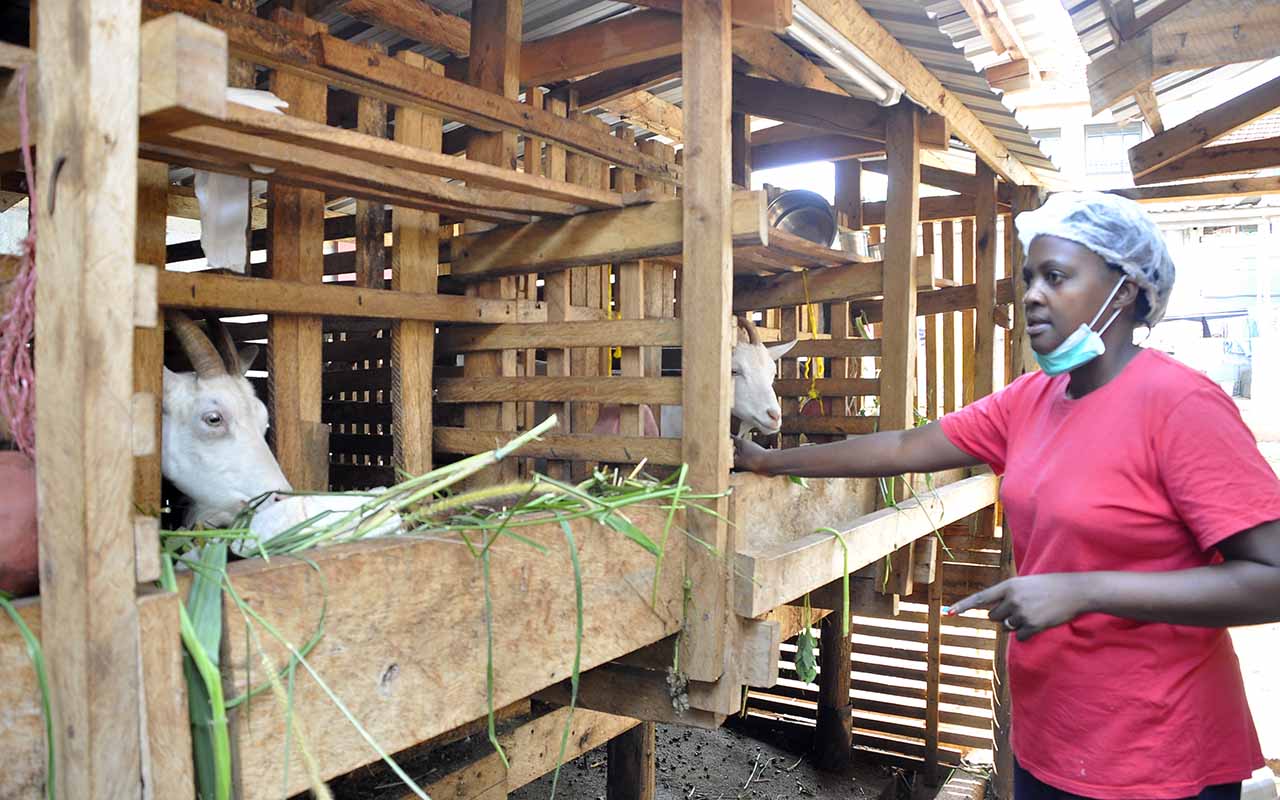
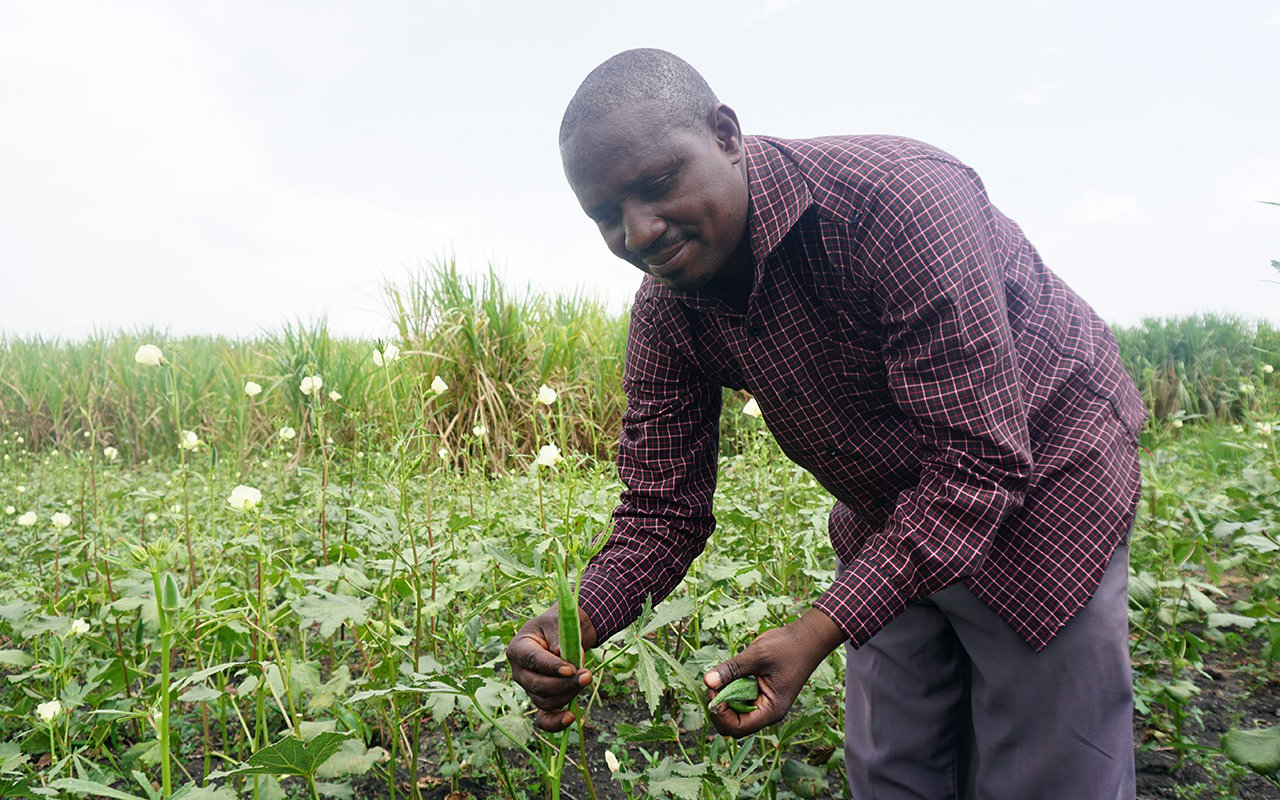
The Country Manager Open Society Initiative for East Africa,(OSIEA) Richard Mugisha, met some of these women as they try to start a new life after the war. He explains some of the new lifestyles the women adopted for survival.
“Most men in Northern Uganda were more dis-oriented by the war compared to women.
During the war most of them lost huge sums of properties including household goods, domestic animals among others. Majority (men) couldn’t handle the impact due to fear of shame from the community thus decided to ignore their family responsibilities. About 60 per cent couldn’t do any form of work, thus women took over all the responsibilities.”
In Kitgum District, women from different communities usually form groups of about 30 to cultivate gardens in different homes.
Each group elects three members (chairperson, treasurer and secretary) to be in charge of the money collected. If you are an educated woman or of advanced age (elderly), fellow women appoint you as a chief leader or ‘rot-akol’ as they refer to in their language. As a chief leader your role is to mobilize and inspire all women in the area in the group.
The leader normally decides on a certain number of women to visit a particular home and do the work within two days. After digging they spend the whole afternoon eating and discussing important issues.
Depending with their project objectives (reason for saving the money), the leaders distribute the money equally amongst the members. Any withdrawal from the bank must be authorized by the chairperson, treasurer or secretary. Leadership in Northern Ugandan is now being pioneered by women.
Most of these women have managed to provide basic needs like food and clothing through such communal group-activities,“When we (OSIEA) visited Gulu in 2008, we met a woman who re-habilitate child-mothers who have managed to escape from Kony’s camp. Most of these girls were forced to marry soldiers and commanders or were used as sex slaves.
However, this lady despite her elderly age took the responsibility of rescuing this girls. She had one sawing machine at home, which turned into an educative tool for these girls to be used for knitting sweaters. She could ensured that all the 12 girls learned all the tailoring skills even though she had one machine. Most of these young mothers opened their own knitting businesses after sometime.
The girls respected the lady as they looked at her as a mother. The lady did a great psychological job by restoring the young mothers’ dis-oriented mind. She gradually helped them to relax their minds by diverting their concentration to sawing,” says Mugisha.
Violence against women was/is wide spread and it takes several forms including of a physical and psychological nature. However through the initiative of OSIEA, about thirty Ugandan women’s rights advocates have come together to promote women’s access to human rights, resources, and opportunities. OSIEA, International Women’s Programme (IWP) and 15 women rights movements have been carrying out campaigns and educative programmes countrywide to address such common challenges to human rights protection for women.
“Our main strategic areas includes reducing discrimination and violence against women, strengthening access to justice for women and women’s empowerment and capacity building,” says Carole Agengo, Senior Programme Officer IWP, Africa.
“We want to go radical and determine the cause of leaving things undone in a broader manner,”
The 1995 Constitution of Uganda recognises women’s rights to participate in politics. Yes, it is evident in today’s parliament as women have occupied about 30 percent of the parliamentary seats including the speaker, 22 appointed Member of Parliament and 10 cabinet ministers. Despite having women representatives, Northern Ugandan women still lack the ability to influence decision making.
Most of them are barred by their men from influencing decision to the society. Issue of domestic violence arises from such a case. “We want to empower men to change their attitude and allow their women to get involved in decision making,” explains Mugisha.
Other places have no access to health facilities and doctors because of the government’s lack of commitment , for instance Padia. “Mortality rate is on a rise in this area, yet the government has backed-off from its Peace Recovery and Development Plan (PRDP) programme,” Mugisha says. Concerns have also been raised with regard to gender stereotypes and instilling of gender roles through educational materials that disregard the other positive roles that women play, beyond reproductive and domestic labor. “Sexuality and gender education is still very limited.
Poor sanitation in schools, early marriages and the widespread preference for educating boys at the expense of girls, are the key factors to high girl child drop out after primary four,” says Mugisha.
“However, we are enforcing laws and regulations that encourage girl’s enrolment and retention in schools, while addressing barriers to their education,”
NOTE..........
Women play vital roles in the society thus should be supported and empowered to access their rights. The women’s movement in Uganda exists and has been instrumental in the progress so far made in the attainment of women’s rights. Women should be put at the fore-front when discussing current economic issues including inflation, escalating food and fuel prices and environmental degradation since majority suffer silently. Access to justice for women is provided for by the law but the implementation of the law is poor and can be said to have many loopholes. Generally all issues with regard to women should be discussed from the basis of rights.